
Introduction
Heavy bikes, often referred to as cruiser motorcycles, are renowned for their imposing presence, powerful performance, and sleek design. These motorcycles, which prioritize comfort and long-distance riding capabilities, have a unique appeal among motorcycle enthusiasts. From the deep rumble of a V-twin engine to the premium craftsmanship of their frames, heavy bikes are the epitome of performance and luxury. This essay explores the key features that define heavy bikes, their enduring popularity, and the technological advancements shaping their future.
Definition and Characteristics
Heavy bikes, commonly known as cruiser motorcycles, are characterized by their large engine capacities, sturdy frames, and low-slung design. These bikes are engineered for comfort and long-distance touring, offering a relaxed riding posture with a focus on stability rather than agility. Typically powered by large-displacement engines (500cc to 2000cc and beyond), heavy bikes deliver exceptional torque and power, making them ideal for long cruising sessions on highways.
History and Evolution
The heavy bike’s legacy traces back to the early 1900s, with brands like Harley-Davidson and Indian Motorcycles laying the groundwork for the development of powerful, comfortable bikes. Over the years, these machines have evolved significantly, embracing advanced technologies and innovations in both design and performance. Today, heavy bikes represent a blend of classic engineering and modern-day capabilities.
Key Features of Heavy Bikes
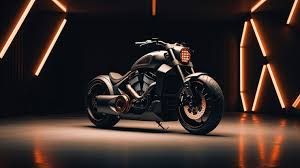
Engine Power and Performance
One of the defining features of heavy bikes is their large, high-performance engines. These motorcycles often feature V-twin engines, delivering immense power and torque for an exhilarating yet smooth riding experience. The engines are designed to handle long rides with ease, making these bikes perfect for touring enthusiasts who seek both speed and comfort.
Comfort and Ride Quality
Heavy bikes are engineered with comfort as a primary focus. The long wheelbase, wide tires, and lower seat height contribute to a more relaxed riding position, which is particularly beneficial on long-distance rides. Additionally, the seats are often padded and contoured for additional comfort, while the suspension systems are designed to absorb bumps in the road, ensuring a smooth ride.
Durability and Strength
Built for resilience, heavy bikes feature robust frames and reinforced suspension systems capable of handling demanding terrains. These bikes are designed to last, with high-quality materials used in their construction. Their durability, combined with low maintenance needs, makes them a solid investment for riders who prioritize long-term reliability.
Popular Models and Brands
Harley-Davidson
Harley-Davidson is synonymous with heavy bikes. Their iconic models, such as the Road King, Electra Glide, and Softail, are revered for their combination of power, comfort, and timeless design. Harley-Davidson motorcycles are not just bikes—they represent a lifestyle, with riders often personalizing their bikes to reflect their individual tastes and preferences.
Indian Motorcycles
Indian Motorcycles is another legendary brand in the heavy bike segment, known for its vintage aesthetic and modern performance. Models like the Indian Chief and Indian Scout blend classic design elements with cutting-edge technology, offering riders a compelling mix of power, style, and comfort.
Honda Gold Wing
The Honda Gold Wing is a premier touring motorcycle, known for its advanced features and long-distance touring capabilities. With a massive engine and features such as heated seats, high-tech infotainment systems, and ample storage space, the Gold Wing is designed to provide riders with an unrivaled experience on the open road.
Why People Love Heavy Bikes
Riding Experience
The appeal of heavy bikes lies in their unique riding experience. Unlike sportbikes, which prioritize speed and agility, heavy bikes provide a more leisurely and comfortable ride. The large engines offer ample power, while the smooth ride quality and relaxed posture create a cruising experience that’s both enjoyable and stress-free. The distinctive sound of the engine further enhances the allure of these bikes.
Aesthetic Appeal
Heavy bikes are often regarded as works of art. Their design, featuring sleek lines, chrome finishes, and customized accessories, gives them an unmistakable presence on the road. The ability to personalize these bikes—through custom paint jobs, leather saddlebags, and unique exhaust systems—further adds to their appeal, allowing riders to create a machine that reflects their own identity.
Cultural Significance
Heavy bikes hold significant cultural value, especially in biker communities. These motorcycles represent freedom, rebellion, and individualism, and they’ve become symbols of a distinct subculture. The association with biker clubs, long road trips, and classic films like Easy Rider has contributed to the enduring popularity and mystique surrounding heavy bikes.
The Future of Heavy Bikes
Technological Advancements
Heavy bikes continue to evolve with advancements in technology. Modern models feature innovations such as anti-lock braking systems (ABS), electronic fuel injection, and ride-by-wire throttle systems, improving both safety and performance. The integration of advanced electronics allows for smoother rides, more efficient fuel consumption, and better handling.
Environmental Considerations
As environmental awareness grows, the heavy bike industry is also beginning to embrace electric propulsion. Harley-Davidson’s LiveWire, for example, is an electric cruiser that combines the heavy bike experience with sustainable, zero-emission riding. This shift toward electric motorcycles may shape the future of heavy bikes, blending traditional design with green technology.
Conclusion
Heavy bikes stand as the pinnacle of motorcycle engineering, offering unmatched power, comfort, and style. With their enduring appeal and continuous evolution, they represent the ideal combination of performance and luxury. Whether used for long-distance touring, leisurely cruising, or as a statement of personal freedom, heavy bikes continue to captivate riders around the world. As technology progresses, the future of these iconic motorcycles looks set to combine innovation with tradition, maintaining their status as the powerhouses of the motorcycle world.
Frequently Asked Questions (FAQs)
1. What is considered a “heavy bike”?
A heavy bike, or cruiser motorcycle, is typically defined by its large engine displacement (500cc to 2000cc or more), robust frame, and comfortable, relaxed riding position. These bikes are designed for long-distance cruising and prioritize comfort over agility.
2. What makes heavy bikes different from sportbikes?
Heavy bikes are focused on comfort, stability, and long-distance touring. They usually have larger engines and a lower seat height, offering a more relaxed riding posture. In contrast, sportbikes are built for speed, agility, and sharp handling, often prioritizing performance in short bursts rather than comfort on long rides.
3. Are heavy bikes good for long-distance travel?
Yes, heavy bikes are ideal for long-distance travel. With features like comfortable seating, advanced suspension systems, and large fuel tanks, they are designed to provide a smooth and enjoyable ride over long distances. Many touring models also offer extra amenities like storage compartments and infotainment systems.